

CHAIRPERSON BISP SENATOR RUBINA KHALID MEETS SINDH HEALTH MINISTER DR. AZRA FAZAL PECHUHO TO DISCUSS INTEGRATION OF BENAZIR NASHONUMA PROGRAMME WITH SINDH GOVERNMENT'S HEALTH INITIATIVES
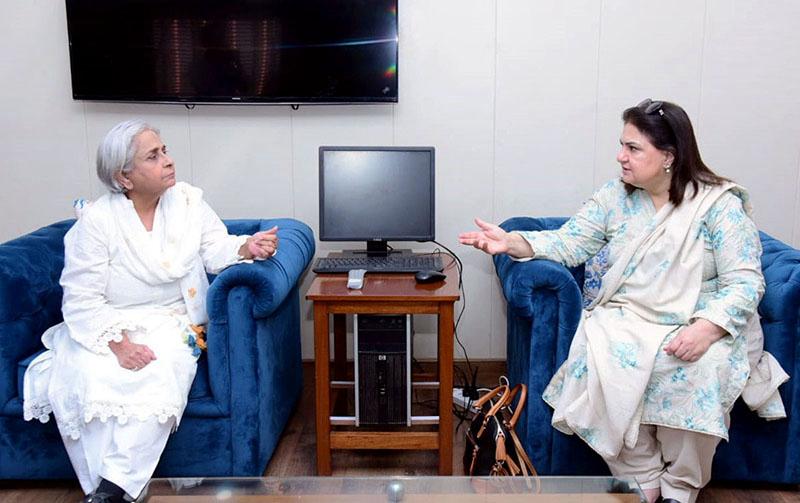
CHAIRPERSON BISP SENATOR RUBINA KHALID MEETS SINDH HEALTH MINISTER DR. AZRA FAZAL PECHUHO TO DISCUSS INTEGRATION OF BENAZIR NASHONUMA PROGRAMME WITH SINDH GOVERNMENT'S HEALTH INITIATIVES
Chairperson Benazir Income Support Programme (BISP), Senator Rubina Khalid, held a high-level meeting today with Sindh Minister for Health, Dr. Azra Fazal Pechuho, to explore strategic collaboration between the Benazir Nashonuma Programme and the Sindh Government’s ongoing health initiatives.
The meeting focused on integrating services to improve maternal and child health outcomes, with particular emphasis on addressing anemia among pregnant and lactating women, expanding access to nutritional supplements, and strengthening population counseling services across Sindh. Dr. Asim Ijaz, Director General CCT/NSER BISP, briefed participants on the Gates Foundation’s upcoming initiative aimed at improving healthcare for pregnant and lactating women.
Both leaders underscored the urgency of addressing malnutrition and maternal health challenges in the province and reaffirmed their commitment to joint action for greater outreach and impact. They discussed leveraging BISP’s social protection platform to complement the Sindh Health Department’s resources, ensuring a coordinated and multi-sectoral response to pressing public health challenges.
Senator Rubina Khalid highlighted the positive impact of the Benazir Nashonuma Programme, which plays a vital role in providing conditional cash transfers and specialized nutritional support to pregnant and lactating women and children under two years of age. She emphasized the importance of strengthening coordination with provincial health departments to avoid duplication and maximize service delivery.
Dr. Azra Fazal Pechuho reiterated the Sindh Government’s commitment to improving maternal and child health indicators, particularly in rural and underserved areas. She also stressed the significance of engaging the private sector to complement government efforts in delivering sustainable and effective health services.